


Federal contractors have SAM.gov. State and local contractors have hundreds of places to look. Every state runs its own procurement portal, and counties, cities, school districts, and special districts post bids on their own sites or on one of a handful of e-procurement platforms. The Census Bureau counted more than 91,000 local governments in the U.S. in 2025, so no contractor can watch them all. This guide lists the state procurement portals for the largest SLED markets, the platforms local agencies use to post bids, the cooperative contract programs worth watching, and how to set up a SLED bid pipeline you can actually keep up with.
Quick answer: Register on the state procurement portal for every state you want to sell in, such as Cal eProcure, the Texas ESBD, MyFloridaMarketPlace, or the NYS Contract Reporter. Then register with the local bid platforms your target counties, cities, and school districts use, such as Bonfire, OpenGov Procurement, PlanetBids, Public Purchase, BidNet Direct, and Periscope S2G. Watch cooperative solicitations from NASPO ValuePoint, Sourcewell, OMNIA Partners, and BuyBoard, and add an aggregator only if you sell across many states.
State, local, and education (SLED) procurement has no single rulebook and no single portal. Each state sets its own purchasing code and runs its own bid system for state agencies. Local governments usually follow state law but manage their own solicitations, often through a commercial e-procurement platform. Public universities and school districts may use the state portal, their own site, or a cooperative contract. The Census of Governments reported 90,837 local governments in 2022 and 91,438 by 2025.
That fragmentation is the challenge, but it is also the opportunity. Many SLED bids draw fewer responses than federal solicitations, thresholds for competitive bidding are usually lower, and local buyers often prefer vendors who are close by. Our guide to the top 5 states for SLED opportunities shows where the demand is concentrated.
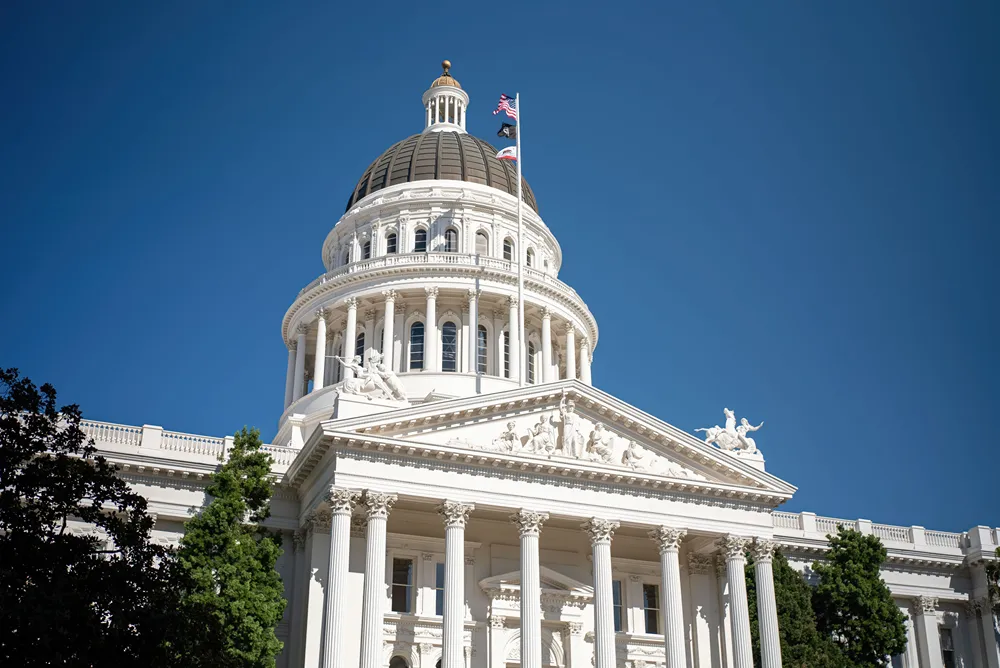
Start with the state portal in each state you serve. Most require you to register as a vendor, choose the commodity or service codes you sell, and opt in to bid notifications. Fees below are as published by each state in September 2026.
Registration steps and fees change, so confirm on each state's site before you register.
Local agencies usually pick one e-procurement platform and post all of their solicitations there. That means you often register separately with each agency, even when several use the same platform. The platforms you will see most often:
The quickest way to find out which platform a target agency uses is to open the purchasing or procurement page on its website. Most link straight to their bid portal.
Cooperative purchasing programs let one competitively awarded contract serve thousands of agencies, so a single win can open a whole market. You get onto one by winning its solicitation. Watch these pages for new solicitations in your category:
Our guide to cooperative purchasing explains how each program works and how suppliers win a spot.
If you sell in one or two states, the free portals and local platforms are usually enough. If you sell across many states or to many local agencies, a paid aggregator saves hours by pulling bids from thousands of portals into one search with alerts. The main options are the premium tiers of BidNet Direct and Periscope S2G, Euna OpenBid's state and national plans, GovSpend for purchase-order history, and HigherGov or GovTribe's Plus plans for combined federal and SLED coverage. Our comparison of the best government RFP databases covers coverage and pricing, and our list of free government bid sites covers the no-cost federal sources.

OryonIQ's Polaris brings state and local bids, including BidNet, into the same search as SAM.gov, SBIR, and OTA opportunities, so you can filter by keyword, agency, NAICS code, and set-aside instead of checking portal after portal. The supplier list and Orbit help you find primes and teaming partners already working in your target markets.
On each state's procurement portal, on the bid platforms counties, cities, and school districts use, such as Bonfire, OpenGov Procurement, PlanetBids, Public Purchase, BidNet Direct, and Periscope S2G, and on cooperative programs such as NASPO ValuePoint, Sourcewell, OMNIA Partners, and BuyBoard.
No. There is no national SLED portal. Each state runs its own system and local agencies post bids on their own sites or platforms. Paid aggregators combine many of these sources, but none covers every agency.
Most state portals are free to register on, but some charge fees. As published in September 2026, Texas charges $70 a year for the Centralized Master Bidders List, Florida charges a 0.7% transaction fee through MyFloridaMarketPlace, and North Carolina charges 1.75% on applicable orders for goods.
Often, yes. Many local agencies manage vendor registration on their own portal, even when the underlying platform is shared. Check each target agency's purchasing page.
The Census Bureau reported 91,438 local governments in 2025, up from 90,837 in 2022, including counties, municipalities, townships, school districts, and special districts.

Are you curious about the networking events near you? Together we can expand your network and watch your pipeline exponentially grow.

Our mission is to empower the GovCon community to make better data driven decisions based on social relationships and opportunity data that is actionable, measurable, and trackable.




.webp)
.webp)
.webp)