The State, Local, and Education (SLED) market doesn't get the attention it deserves — at least not from contractors who came up through the federal side. That's actually good news if you're willing to look. With an estimated $1.5 trillion in annual procurement spending spread across more than 90,000 government entities, the SLED space rivals or surpasses the federal contracting market in sheer volume. But it's far more fragmented. Agencies run on different fiscal calendars, operate under different procurement rules and methods, and have their own preferences for how they buy. That complexity is exactly why most vendors underinvest here — and why the ones who do the homework tend to win.
This guide covers the top five SLED markets to pursue in 2026, ranked not just by budget size but by fiscal resilience, bid volume outlook, and alignment with where spending is actually heading. With ARPA now fully expired and IIJA disbursements moving into mid-cycle, the market dynamics have shifted. What worked in 2023 and 2024 won't necessarily work now. Here's where the opportunity is today.
We've created a helpful Map that includes links to every state's procurement websites. If you're interested in adding additional information to this map, please let us know.
**We have created a helpful Map that includes links to every states procurement websites. If you are interested in adding additional information to this map please let us know. **
Why It's Hot
Texas isn't slowing down. The state has one of the fastest-growing populations in the country, a budget that's held strong through the post-ARPA reset, and a procurement pipeline that stayed active while other states were recalibrating. Unlike markets that leaned heavily on federal stimulus, Texas has structural spending drivers that don't evaporate when the grant programs end.
Key Trends
Broadband expansion and power grid modernization continue to generate procurement activity, but the headline story in 2026 is water. The Texas Water Development Board completed its largest bond issuance in agency history in September 2025 — approximately $2.5 billion — and the 2026-27 Texas Legislature committed an additional $1 billion per year to the Texas Water Fund through a new constitutional amendment. House Bill 500 separately appropriated over $1 billion for water supply and infrastructure grants. Large-scale transportation projects and active cooperative purchasing among school districts and cities round out a consistently active market.
Fiscal Year Insights
Texas follows an August 31 fiscal year-end, which puts it on a different calendar than most SLED markets. Local governments and school districts tend to front-load procurement in the first two quarters of the calendar year.
Strategy Tip
Texas rewards long-term positioning. Fixed-term contracts are common, and early engagement with end users before RFPs drop is the norm. A structured approach to capture — knowing which contracts are expiring and which agencies to target — matters as much as the bid itself. Our GovCon opportunity mapping playbook covers exactly how to build that kind of targeted pursuit strategy.
Procurement Portal: Texas Comptroller – Electronic State Business Daily (ESBD)
Why It's Hot
Florida has been a top-tier SLED market for several years, and 2026 is no different. A growing population, aggressive infrastructure investment, and a state government that's embraced cooperative purchasing make it a reliable source of procurement activity. The complexity is manageable compared to California or New York, which makes it a reasonable entry point for contractors newer to the SLED space.
Key Trends
Construction, public transit, and smart city investments continue to grow. K–12 digital services and education technology remain strong, particularly as schools move past the ESSER cliff and shift to base-budget purchasing. Cooperative purchasing is heavily used across school districts and municipal agencies — often as the default buying mechanism rather than an exception. If your business holds a GSA Schedule, it may be eligible for cooperative purchasing access in Florida; our guide on getting on the GSA Schedule explains how that vehicle works and how to position it for SLED buyers.
Fiscal Year Insights
Most state and local agencies in Florida operate on a June 30 fiscal year-end. The procurement cycle peaks from February through May.
Strategy Tip
K–12 spending has shifted to renewals and operational technology over capital projects. Get on co-op platforms used by Florida school districts early, and build relationships with purchasing directors — they matter more here than in states with centralized procurement.
Procurement Portal: MyFloridaMarketPlace Vendor Information Portal
Why It's Hot
Virginia's proximity to Washington, D.C. creates a contractor ecosystem that few states can match. Many vendors serving federal clients already have the registrations, relationships, and past performance that translate well into the state and local market here. The state also has one of the highest volumes of recurring fixed-term contracts, which means predictable recompete cycles for vendors who know where to look.
Key Trends
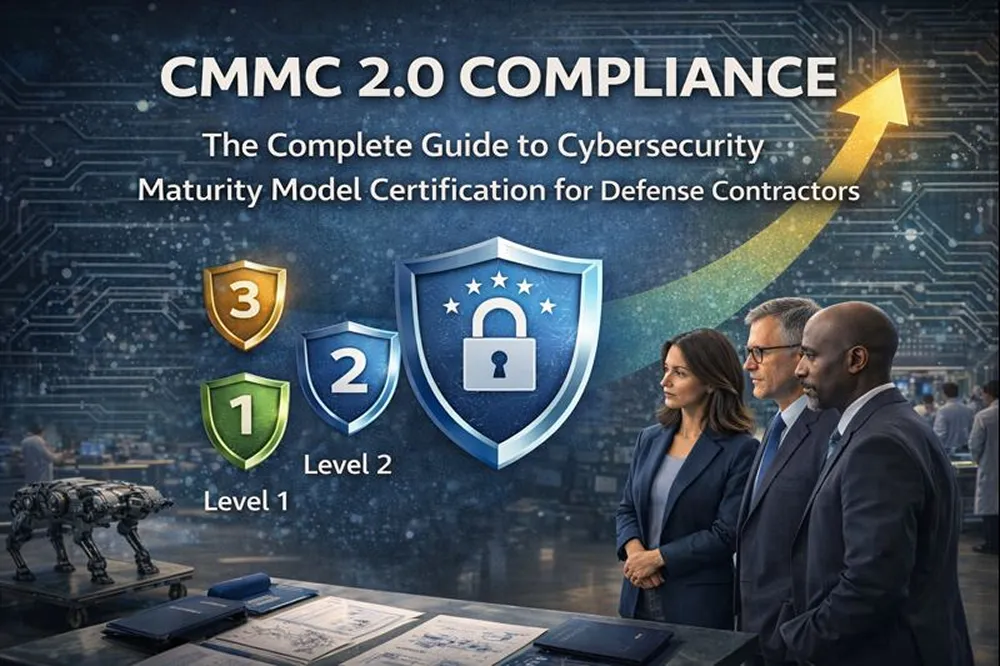
Cybersecurity, digital infrastructure, and public safety are the dominant spending categories. Virginia is one of the most active SLED markets for cybersecurity procurement — if you're pursuing that space, understanding the CMMC 2.0 compliance landscape will strengthen your positioning with both state and federal Virginia buyers simultaneously. The crossover between federal and state vendor ecosystems is a genuine differentiator — federal past performance earned under FAR and DFARS compliance standards carries real weight in Virginia's evaluation process.
Fiscal Year Insights
Virginia runs a standard June 30 fiscal year-end. State agencies and school districts typically issue RFPs from February through May.
Strategy Tip
If you have federal past performance, lead with it. Track when incumbents are up for recompetition — fixed-term contracts create predictable windows, and most vendors who lose recompetes lose them because a competitor was better prepared months before the RFP dropped.
Procurement Portal: eVA – Virginia's eProcurement Portal
Why It's Hot
California's budget runs north of $300 billion annually, covering public health, environmental services, transportation, and some of the most ambitious technology procurement in the country. The scale of the opportunity is real. So is the complexity — over 6,000 local agencies, layered procurement regulations, and procurement cycles that vary significantly across the state.
Key Trends
ARPA is fully expired and no longer a meaningful factor in California's procurement landscape. The primary drivers in 2026 are IIJA and IRA funding, both of which are in active mid-cycle disbursement. Green energy, water, public transit, and environmental infrastructure are absorbing a significant share of that capital. On the technology side, higher education institutions and municipalities are investing in digital modernization and AI infrastructure at a scale that's getting the attention of major contractors. For buyers looking to move quickly outside a lengthy competitive process, Other Transaction Authority agreements are increasingly relevant at both the state and federal level in California.
Fiscal Year Insights
The majority of California state and local agencies follow a June 30 fiscal year-end. Cities and special districts may run different cycles. Budget documents and capital improvement plans (CIPs) published in the fall are worth tracking closely — they often telegraph what's coming to market six to twelve months out.
Strategy Tip
California is a strong market for technology, sustainability, and consulting firms. Monitor CIPs and agency budget documents, build relationships with department leads before RFPs drop, and align with cooperative purchasing platforms where possible.
Procurement Portal: California State Contracts Register (CSCR) on Cal eProcure
Why It's Hot
New York is one of the most complex SLED markets in the country, but the volume of opportunity justifies the effort. The state's budget has been in extender territory through early 2026 as negotiations continue, but capital investment has not stalled. The MTA's $51 billion capital plan remains one of the largest transportation procurement pipelines in the U.S., and the state's 2026 enacted budget legislation has expanded access to MWBE contracting and introduced new incentives for semiconductor and advanced manufacturing. For small and disadvantaged businesses pursuing New York's expanded MWBE opportunities, understanding 8(a) certification and federal set-aside programs can further strengthen your eligibility positioning across both state and federal buyers.
Key Trends
Urban infrastructure and housing remain strong. IT modernization in schools and municipalities is active, with school districts across the state approving FY2026-27 technology line items in spring 2026 board meetings. Healthcare and human services contracting continues to provide a steady pipeline.
Fiscal Year Insights
New York State operates on a March 31 fiscal year, while most cities, counties, and school districts follow June or December cycles. This mix creates year-round procurement activity.
Strategy Tip
Know your agency. MTA, NYCHA, NYSDOT, and New York City agencies each operate differently and have massive contract volumes. Vendor registration requirements can be complex — get that done before you find the right opportunity. Multi-year capital projects announced in budget hearings are often the best early signal of what's coming to market.
Procurement Portal: New York State Contract Reporter
Understanding when agencies actually buy matters more than most contractors realize. To understand how these cycles connect to the broader federal procurement calendar, our government procurement cycle guide is a useful companion read. The general SLED pattern:
June fiscal year-ends are the most common across states, school districts, and higher education. Procurement activity peaks from February through May — that's your primary window to be in front of buyers across most of these markets.
December fiscal year-ends, more common in cities and special districts, create earlier surges in January through March and a second bump in October.
March or August ends (less common, but Texas and New York are examples) often create off-cycle opportunity windows with reduced competition.
ARPA is gone. For contractors who built pipelines around stimulus-era spending, that adjustment is real. IIJA and IRA funding are now in active disbursement phase and generating procurement across water, transportation, energy, and broadband. These programs have longer runway and more predictable cycles. Contractors aligned with infrastructure, clean energy, and digital equity are well-positioned.
Cooperative purchasing now accounts for over $70 billion in annual SLED spending, with platforms like Sourcewell, NASPO ValuePoint, and OMNIA Partners at the center of how agencies buy. Traditionally used for commodities and routine products, cooperative purchasing is expanding to include more complex offerings — opening the door for a new category of vendors. If your business holds a GSA Schedule, check whether it's eligible for cooperative purchasing access — our GSA Schedule guide covers that eligibility pathway.
Federal budget volatility is pushing more contractors toward SLED. Decentralized budgets mean a federal shutdown doesn't stop a school district in Texas or a transportation agency in Florida from spending. For contractors whose federal pipelines feel less predictable heading into 2026, the SLED market offers a structural hedge — not a fallback, but a genuine diversification strategy.
A few things that consistently separate SLED winners from the field: The vendors who consistently win aren't waiting for the solicitation to drop — they're already in conversation with the agency. Our piece on stop bidding, start winning breaks down how to uncover the real agency problem before an RFP is ever written.
Beyond early engagement, track recompete cycles. Most SLED contracts run on fixed terms of three to five years. Knowing when incumbents are up gives you months of preparation that late-stage competitors simply don't have.
Tailor your messaging for the local market. A federal capability statement won't land the same way with a city procurement director. Our guide to B2G marketing strategies covers how to translate your positioning for government buyers at every level.
And when you do get in front of an RFP, make sure you're ready to respond competitively — our government RFP response strategies guide covers what it actually takes to win.
The SLED market is not a monolith. It's a fragmented, dynamic ecosystem that rewards contractors who treat it as seriously as they treat the federal space. To win in 2026, you need more than a product or service — you need market intelligence, fiscal year awareness, and a proactive approach that gets you in front of buyers before the RFP is written.
Start with these five states. Align with their fiscal cycles. Get on cooperative purchasing vehicles. And engage early. For free tools to find active SLED and federal opportunities, see our roundup of the 10 best free government contracting tools. And if you want a smarter platform to track opportunities, teaming partners, and competitive intelligence, explore OryonIQ's plans and pricing.

Are you curious about the networking events near you? Together we can expand your network and watch your pipeline exponentially grow.

Our mission is to empower the GovCon community to make better data driven decisions based on social relationships and opportunity data that is actionable, measurable, and trackable.











%20A%20Plain-English%20Guide%20for%20Contractors-sml.webp)