


Most contractors hear "government contracting" and think federal — SAM.gov, the FAR, big agency awards. They miss a market that's roughly double the size sitting right next to it. SLED government contracting covers state, local, and education buyers, and for many small businesses it's a more accessible entry point than federal work, with lighter competition and thousands of agencies buying every day.
This SLED contracting 101 guide explains what SLED means, how SLED procurement differs from federal contracting, where to find SLED opportunities, and how cooperative purchasing can open thousands of agencies through a single contract. If you want to understand the SLED market and start winning state and local government contracts, this is where to begin.
SLED stands for State, Local, and Education — the collective term for government entities that buy goods and services below the federal level. The SLED definition covers state governments, local government bodies like cities and counties, and the education sector: public school districts and higher education institutions. When someone says SLED in government contracting, they mean this whole non-federal public market.
The scale surprises contractors who've only looked at federal. The SLED market is estimated at well over $1.5 trillion in annual procurement spending, spread across more than 90,000 independent government and education entities. No official source publishes one combined SLED total — the figure is a directional industry estimate assembled from overlapping datasets — but every credible source agrees the SLED market is roughly double the size of federal contracting. That's a lot of contract opportunities most GovCon firms overlook.
What makes SLED distinct isn't just size but structure. Each of those thousands of agencies buys under its own authority, on its own schedule, following its own procurement rules. A school district in one state and a county government in another are entirely separate buyers with separate portals and separate processes. Understanding the SLED market means accepting that fragmentation up front — it's the defining feature of state and local procurement, and the reason SLED rewards a different approach than federal.
The biggest difference is centralization. Federal contracting runs through one rulebook, the Federal Acquisition Regulation, and one primary portal, SAM.gov. SLED procurement has neither. There's no FAR for state and local, and no single SAM.gov-style system where every SLED agency posts its solicitations. Unlike federal contracts governed by one uniform framework, SLED contracts are awarded under rules that vary by state, by agency type, and sometimes by individual entity.
Deal size and volume flip too. Federal contracting concentrates large dollar values in relatively few contracts; SLED spreads smaller dollar values across a vast number of procurements. SLED contracts are typically smaller than federal awards, but there are far more of them, and they often close faster. For a small business, that math is favorable — more shots at contracts sized for a smaller company, with competition that's frequently lighter than the crowded federal arena.
The buying process differs in the details that matter. Most SLED procurement follows common patterns — competitive bidding above a dollar threshold (often much lower than federal), fiscal years that typically run July through June, and decisions made by committee involving procurement officers, department heads, and sometimes elected board members. Knowing these rhythms is what separates contractors who win SLED work from those who treat it like federal and misread the market. Our guide to where to find government contracts covers how the federal and SLED sides fit together.
For a small business, SLED is often the smartest place to start. The contracts are sized for smaller firms, the competition on many local solicitations is thinner than federal, and past performance built at the state or local level counts toward your track record everywhere. A contractor new to government work can win a first contract in SLED faster than fighting for a federal award against established incumbents.
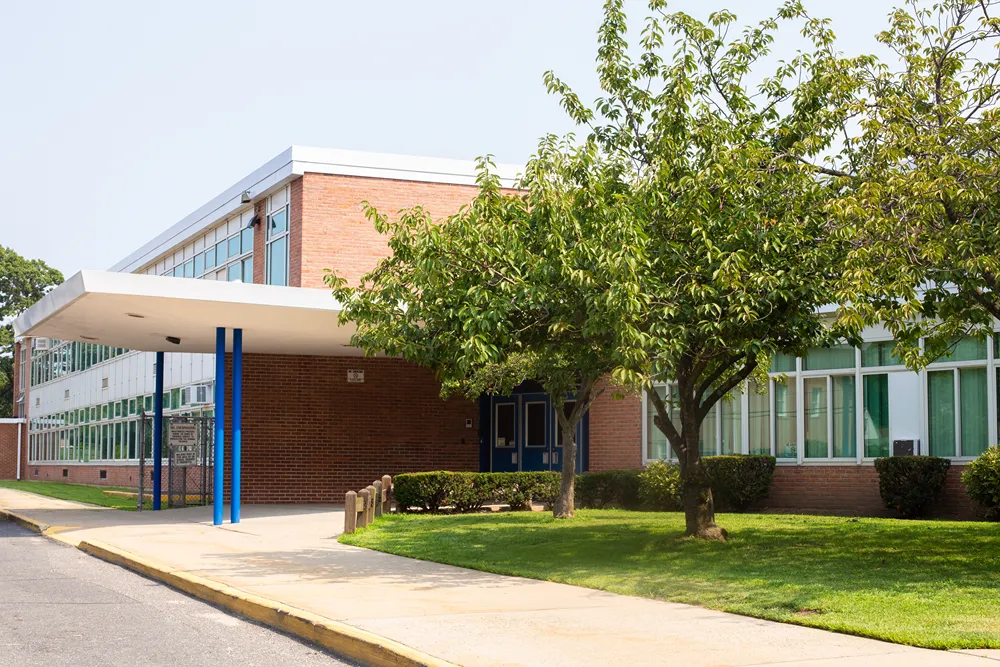
Proximity is a genuine advantage here. A local business bidding on nearby state and local government contracts often has an edge on responsiveness, familiarity with the community, and the relationships that SLED buyers value. Where federal contracting can feel impersonal and distant, SLED procurement frequently rewards contractors who show up, understand the agency's needs, and build relationships with the people making decisions. That's an area where a focused small business can genuinely compete.
The education sector deserves special attention. School districts and higher education institutions collectively spend enormous sums, and education contracting has its own rhythms — budget cycles tied to academic years, board approval requirements, and buying surges at predictable times. Education purchases can take longer because of board approval, but the volume and consistency make the education government market well worth targeting for the right vendor. It's a large slice of SLED that many contractors never pursue.
Finding SLED opportunities is harder than federal precisely because of fragmentation. There's no single portal — instead, each state runs its own state procurement portal, and many large local government entities run their own on top of that. To find SLED contracts, you start with the central procurement website for each state you want to serve, then add the portals for the specific cities, counties, and districts within your reach.

This is where targeting matters. Trying to monitor every one of 90,000+ SLED agencies is impossible, so successful SLED vendors focus — picking the states, regions, and agency types that fit their offering and concentrating their search there. Setting up alerts on the state procurement portals you care about, and checking the local government purchasing sites in your target geography, turns an overwhelming market into a manageable set of feeds. Focus beats breadth in a market this fragmented.
Aggregators and intelligence tools help cut through the sprawl. Bid-aggregation services pull state and local solicitations from many jurisdictions into one searchable place, and opportunity-intelligence platforms surface SLED opportunities and buying signals earlier than published solicitations. For a contractor serious about SLED, the right tooling is what makes the fragmented market navigable. OryonIQ's Polaris helps you find and track SLED opportunities that match your business across the states and agencies you target, so the fragmentation stops working against you.
Cooperative purchasing is the single most important shortcut in SLED, and it's the closest the market gets to a federal-style GSA Schedule. Under a cooperative contract, one government entity competes and awards a master agreement, and then other eligible government entities can buy from that same contract without running their own solicitation. Win one cooperative contract and you can sell to thousands of agencies through a single award.
The major cooperative vehicles are worth knowing by name. NASPO ValuePoint, the cooperative purchasing arm of the National Association of State Procurement Officials, aggregates the demand of all 50 states, D.C., and the territories through a lead-state model, making its master agreements available to state agencies, higher education, and local political subdivisions. Alongside it, national cooperatives like Sourcewell and OMNIA Partners run their own solicitations and open contracts to tens of thousands of member agencies. Together these vehicles move tens of billions in flow-through volume each year.
Cooperative purchasing solves the fragmentation problem elegantly. Instead of bidding the same offering into dozens of separate jurisdictions, you compete once for a cooperative contract and then serve many agencies from it. NASPO's guidance on cooperative purchasing explains how widely state and local governments rely on these vehicles — a large share of local governments use cooperative contracts to access pre-negotiated pricing without running their own procurement. For a SLED vendor, getting onto the right cooperative contract can be the highest-leverage move available.
Because SLED procurement varies by jurisdiction, there's no single rulebook to master — but the patterns are consistent enough to learn. Most SLED agencies require competitive bidding above a dollar threshold, and those thresholds are typically far lower than federal, often somewhere between $5,000 and $50,000 depending on the state and entity. Below the threshold, an agency can often buy directly; above it, they must run a competitive solicitation through an RFP, RFQ, or sealed bid.
Fiscal timing shapes when opportunities appear. Most state and education fiscal years run July through June, which creates predictable rhythms — budget planning in spring, spending activity through the year, and end-of-fiscal-year spending surges that are significant and, importantly, foreseeable. A SLED vendor who understands a target agency's fiscal calendar can anticipate when solicitations will drop and when budgets need to be spent, positioning ahead of competitors who only react to posted RFPs.
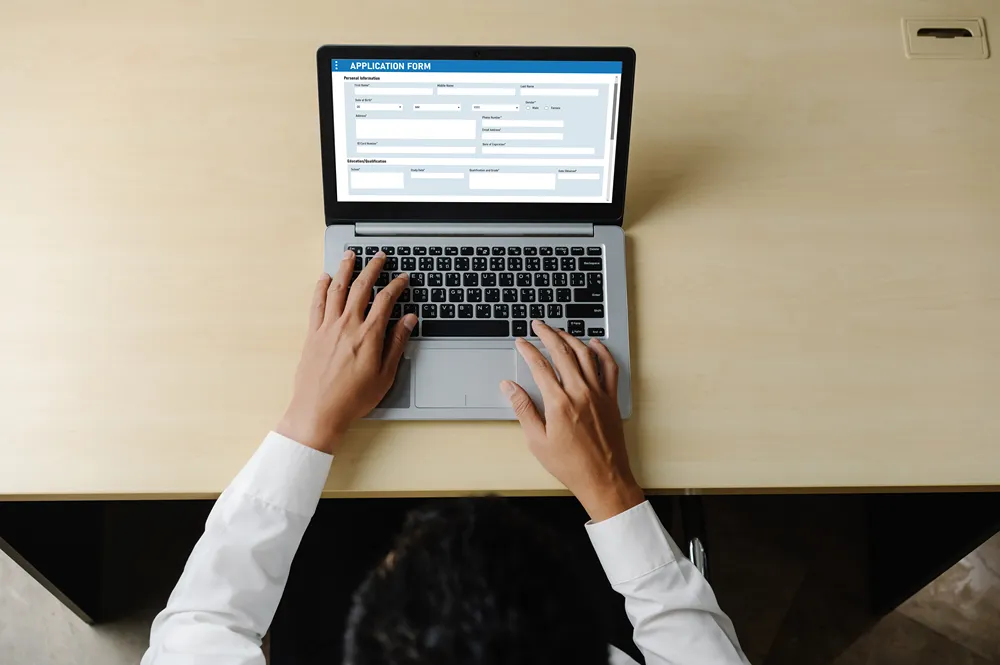
Registration requirements vary too. Many SLED agencies require vendors to register in their specific procurement portal before bidding, and some states maintain a centralized vendor registration that covers multiple agencies. Unlike federal, where one SAM.gov registration covers everything, SLED may require you to register separately across the jurisdictions you pursue. Building that registration footprint in your target states is groundwork that pays off every time a relevant solicitation posts. Our guide to solicitation types explains the RFP, RFQ, and RFI formats you'll encounter across both SLED and federal.
Relationships carry more weight in SLED than almost anywhere else in government contracting. Because SLED buyers are local, accessible, and often making decisions by committee, the contractors who win consistently are the ones who've built credibility with the agencies before the solicitation posts. Showing up at local government meetings, connecting with procurement officers, and understanding an agency's needs firsthand does more for your win rate than a polished proposal written cold.
The decentralized nature of SLED actually makes relationship-building feasible. Where federal contracting officers manage enormous portfolios at a distance, SLED buyers are frequently reachable, community-rooted, and receptive to vendors who demonstrate genuine understanding of local needs. A small business willing to invest in knowing its target agencies — their priorities, their pain points, their people — builds the kind of trust that turns into repeat contracts over years.
This is where business development discipline pays off in SLED. Tracking your target agencies, their fiscal calendars, their contract expirations, and the relationships you're building turns scattered outreach into a real pipeline. Knowing which incumbent contract is expiring at which agency, and having a relationship in place before the rebid, is exactly how proactive SLED vendors win. The market rewards contractors who engage early and stay present, not those who chase published solicitations at the last minute.
The most common mistake is treating SLED like federal. Contractors experienced in federal work often assume the same portals, rules, and rhythms apply, then get frustrated when there's no single SAM.gov for SLED and every agency works differently. SLED demands its own playbook — accepting the fragmentation, targeting specific jurisdictions, and learning each target's procurement rules rather than expecting a uniform framework.
Another frequent error is ignoring cooperative purchasing. Vendors who bid every jurisdiction individually burn enormous effort competing the same offering over and over, when a single cooperative contract could open thousands of agencies at once. Overlooking NASPO ValuePoint, Sourcewell, and OMNIA Partners leaves the biggest efficiency in the SLED market on the table. Any serious SLED strategy should evaluate whether a cooperative vehicle fits the offering.
The third mistake is casting too wide a net. The sheer size of the SLED market tempts contractors to pursue everything, which spreads limited resources thin across jurisdictions they don't understand and can't serve well. Focusing on a defined set of target states, agency types, and cooperative vehicles — then going deep on relationships and knowledge there — beats chasing every SLED opportunity in the country. In a market of 90,000+ entities, discipline and focus win.
The SLED market's size is its promise and its fragmentation is its challenge — thousands of agencies, dozens of portals, and no single place to look. OryonIQ's Polaris brings state and local bids, including BidNet, into the same search as SAM.gov, SBIR, and OTA opportunities, so you can filter to the categories and set-asides you serve instead of checking portal after portal. The supplier list and Orbit help you find primes and teaming partners in your target markets before the RFP posts. If you want to turn the sprawling SLED market into a focused, winnable pipeline, find and win SLED contracts with OryonIQ.
SLED stands for state, local, and education. It covers state agencies, counties, cities, special districts, school districts, and public colleges and universities.
There is no single rulebook or portal. Each state and local entity follows its own procurement code, thresholds, and bid system, and competitive bidding thresholds are usually much lower than federal ones.
On each state's procurement portal, on county, city, and school district purchasing sites, on bid networks that combine many agencies, and on cooperative purchasing contracts such as NASPO ValuePoint, Sourcewell, and OMNIA Partners.
Usually yes. Most states and many local agencies require vendor registration on their own portal before you can bid or receive bid notices.

Are you curious about the networking events near you? Together we can expand your network and watch your pipeline exponentially grow.

Our mission is to empower the GovCon community to make better data driven decisions based on social relationships and opportunity data that is actionable, measurable, and trackable.




.webp)
.webp)
.webp)